
Polyethylene is a type of resin that is most often used in general plastic applications. There are three main types of polyethylene product categories: high-density polyethylene (HDPE), low-density polyethylene (LDPE) and linear low-density polyethylene (LLDPE).
HDPE is typified by disposable shopping bags, LDPE by its high tear strength, and LLDPE by its improved tensile strength. LLDPE has almost the same density as LDPE and is generally used for polyethylene bags.
Polyethylene Liners
What Are Polyethylene Liners Used For?
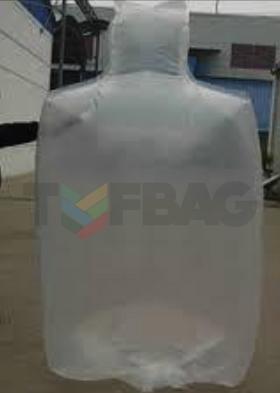
Polyethylene liners are flexible plastic bags that have various uses. At Tufbag, our liners are fitted and glued into the flexible intermediate bulk container bags that we manufacture.
Tufbag’s bulk bags are used for transporting a wide variety of storage applications, including Minerals, limestone, grain, animal feed, Sugar, flour and more.
Tufbag’s bulk bags are used in a wide variety of transport of storage applications, including Minerals, limestone, grain, animal feed, Sugar, flour and more.
Our core liners are primarily used in the food industry, where they act as a moisture prevention barrier. However, they can be useful in other selected applications as well.
Our virgin liners are specially made for the food industry; however, we often use recycled liners upon request in other industrial sectors.
Liners can be extremely helpful when dealing with chemicals or sensitive materials that need extra protection from contamination. Polyethylene is very good at preventing leakages and is resistant to many different types of chemicals.
Polyethylene liners are extremely useful throughout the food industry in a variety of applications, as well as in the pharmaceuticals industry. In these industries, the need to keep the product clean and free of moisture and other forms of contamination.
Our liners ensure that your product is kept in pristine condition throughout its transportation and storage cycle.
What Are Polyethylene Liners Made From?
Polyethylene liners are typically made from LLDPE or LDPE, which allows them to be flexible yet tough.
What’s more, polyethylene liners of all kinds are completely recyclable.
Tufbag Quality Assurance
We here at Tufbag take quality very seriously. If our liners are faulty in any way, we will trace the product’s manufacturing history – all the way back to its raw material stage – using our specialised product tracking technology to determine where things went wrong.
Polyethylene Recycled Pellets
What Are Polyethylene Recycled Pellets Used For?
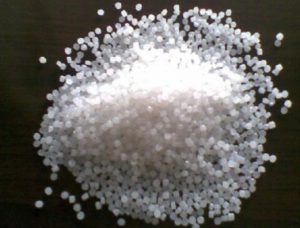
Recycled polyethylene pellets are made from discarded polyethylene products such as bottles and bags. We here at Tufbags are doing our part to clean up the environment.
Recycled polyethylene pellets can be used in a variety of applications. At Tufbag, we recycle our in-house LDPE materials and supply them back into our recycled liners to maximise material use and minimise waste.
The reason we produce pellets is to create the uniformity of composition necessary in the production process. If different plastic types are put together by accident, it could result in faulty products or damaged equipment.
How Are Polyethylene Recycled Pellets Used In Manufacturing?
Typically, polyethylene pellets are subjected to a blow mould process in manufacturing. This means they are melted down into a soft sheet of plastic, then injected into a mould and then shaped using high pressure.
By purchasing Tufbags’ recycled polyethelene pellets instead of buying newly manufactured pellets, you will be contributing to a cleaner environment too!
Frequently Asked Questions
The right polyethylene liners will depend mainly on how sensitive your product is to moisture and whether it must meet food-grade requirements. Products intended for consumption usually require virgin material, while many industrial applications can safely use recycled liners. The way the bag is filled and discharged also plays a role in determining liner suitability.
Yes. Tufbag installs and secures polyethylene liners during the bag manufacturing process. This prevents the liner from shifting inside the bag and reduces the risk of damage during filling or discharge. Fixed liners also make handling easier at the customer’s site.
Woven polyethylene bags are designed to carry loads that place stress on packaging. The woven structure spreads weight across the fabric, which helps the bag maintain its shape during lifting and stacking. This makes them a practical choice for demanding industrial environments.
Polyethylene sheeting is useful when full containment is not required. It is often used as a protective layer to cover goods or surfaces where exposure to moisture or dust is a concern. This makes it suitable for temporary protection in storage or on-site applications.
A polyethylene plastic sheet resists moisture and many industrial substances. It does not absorb water and remains stable when exposed to challenging environments. This reliability allows it to perform consistently over extended periods of use.
Tufbag monitors its polyethylene products throughout the manufacturing process. If a problem is identified, the production history can be traced back to the raw material stage. This allows issues to be identified accurately and corrected efficiently.
Recycled polyethylene pellets provide controlled material consistency during production. By recycling LDPE internally, Tufbag reduces waste while maintaining dependable processing behaviour. This approach supports sustainable manufacturing without compromising product performance.
Contact Tufbag now to learn more about our polyethylene bags and associated products or to place an order.